Content MarketingApril 3, 2026
The Future of Content Marketing: Embracing Neuro-Marketing for Enhanced Engagement
Explore how neuro-marketing can revolutionize content strategies by enhancing customer engagement and driving conversions in the digital age.
Understanding Neuro-Marketing: A Primer
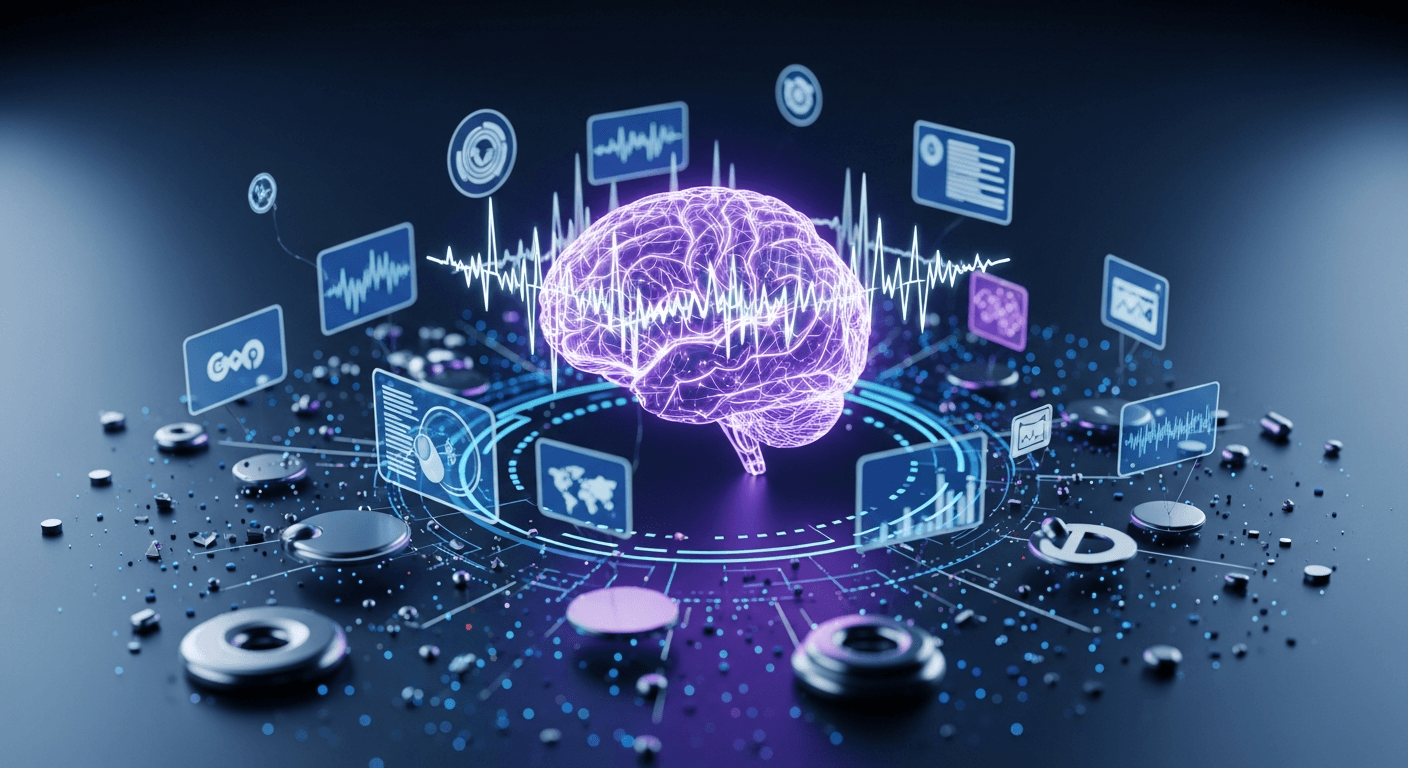
Neuro-marketing is an emerging field that combines neuroscience with marketing strategies to understand consumer behavior more deeply. By studying the brain's responses to certain stimuli, marketers can tailor their content to better engage and persuade their audience. This approach goes beyond traditional marketing by tapping into the subconscious processes that govern decision-making, allowing for more effective and personalized marketing campaigns.
The roots of neuro-marketing lie in cognitive psychology and neuroscience, disciplines that have long explored how the human brain perceives, processes, and responds to information. By leveraging insights from these fields, marketers can create content that not only captures attention but also resonates on a deeper level with consumers. In a world where attention spans are dwindling, neuro-marketing offers a way to cut through the noise and connect with audiences more meaningfully.
As consumers become more discerning and marketing landscapes more competitive, understanding the 'why' behind consumer choices is invaluable. Neuro-marketing provides these insights, allowing brands to craft messages that align with the neural pathways that drive purchasing behavior. This section will explore the foundational concepts of neuro-marketing and its significance in the modern marketing toolkit.
The Science Behind Neuro-Marketing Techniques
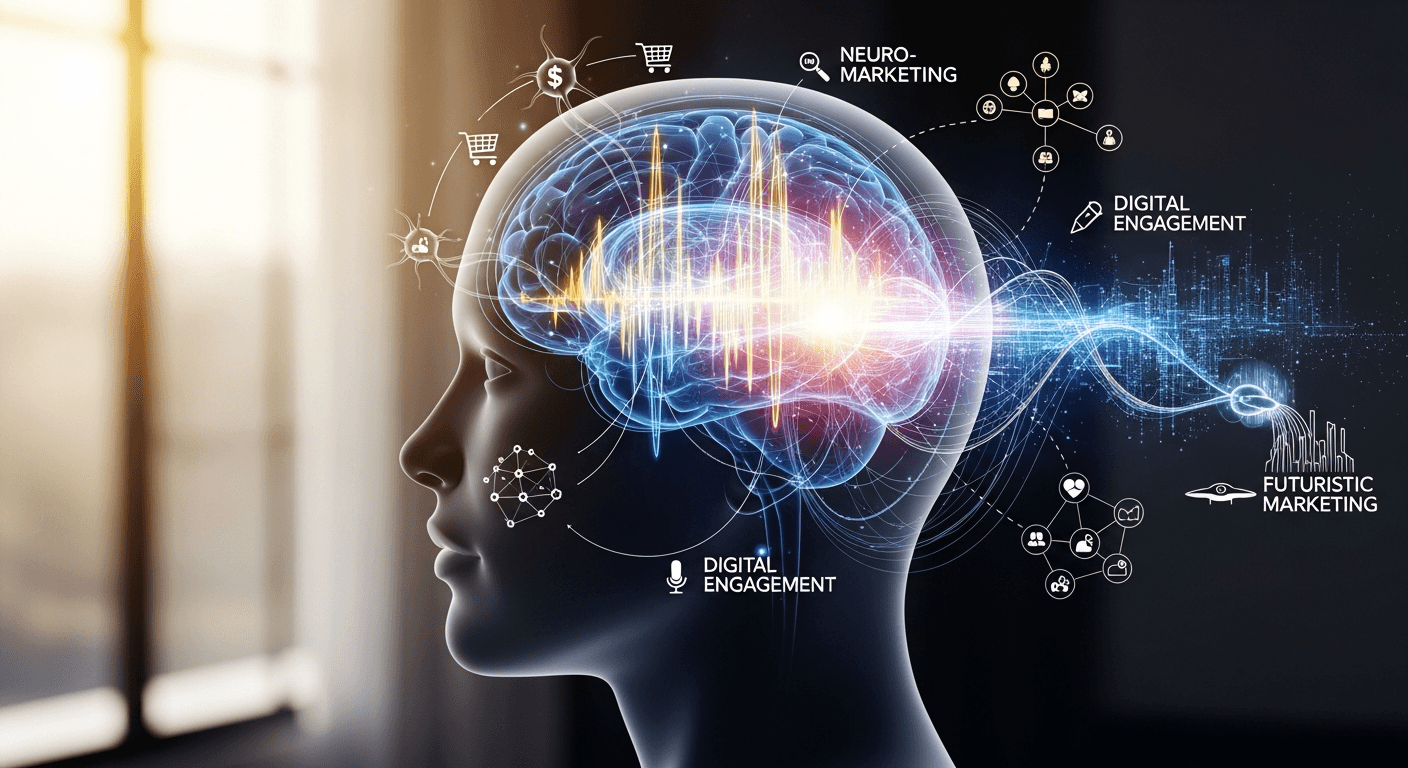
At the heart of neuro-marketing are techniques that measure and analyze brain activity to understand consumer reactions to marketing stimuli. Technologies such as functional magnetic resonance imaging (fMRI) and electroencephalography (EEG) are commonly used to observe which areas of the brain are activated during exposure to ads, products, or experiences. This data provides insights into emotional engagement, memory retention, and decision-making processes.
Emotions play a crucial role in decision-making, often guiding choices more than logic or reason. Neuro-marketing techniques allow marketers to decipher the emotional triggers that influence consumer behavior. For instance, research has shown that certain colors, sounds, or even words can evoke specific emotions, which can then be strategically used in marketing content to elicit desired responses.
- Eye-tracking to measure visual attention
- Galvanic skin response to detect emotional arousal
- Implicit association tests to uncover subconscious preferences
Implementing Neuro-Marketing in Content Strategies
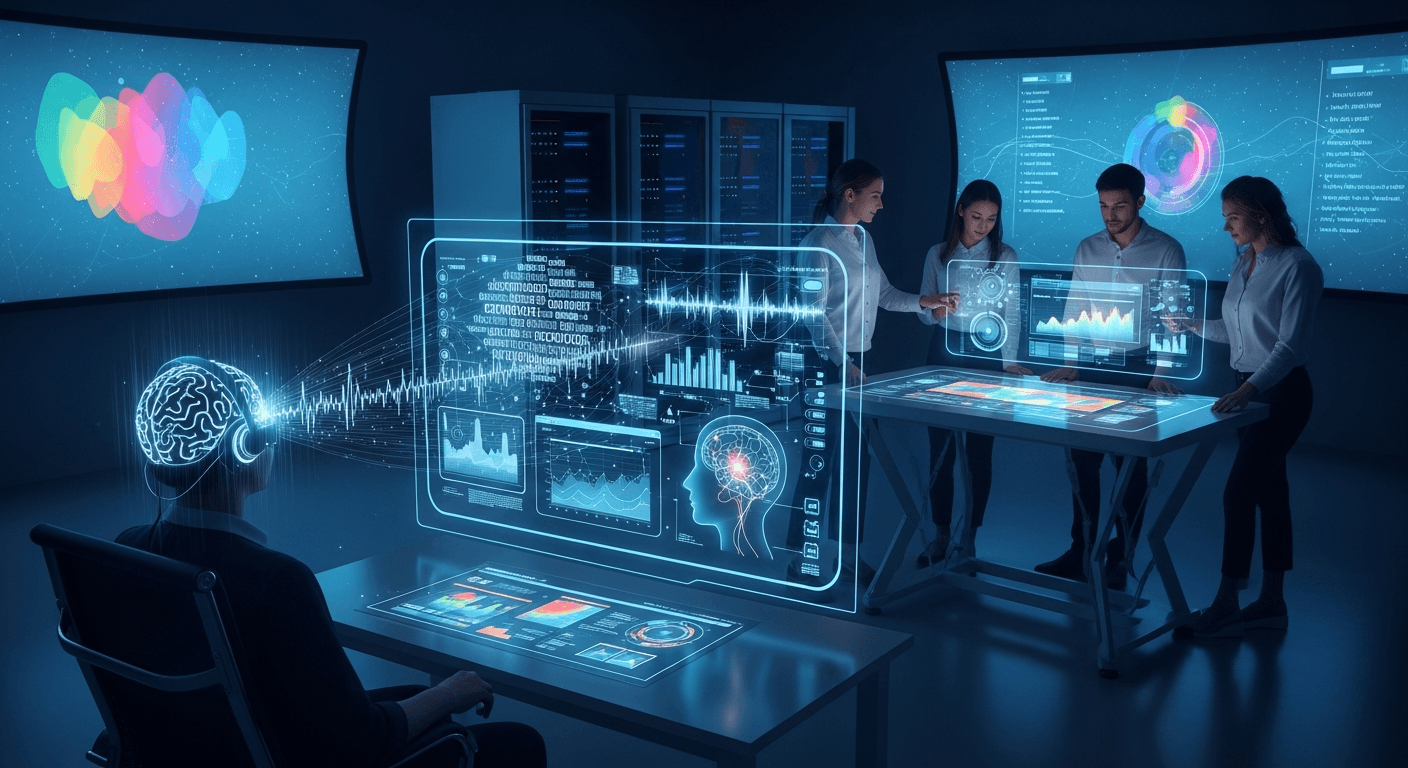
To effectively implement neuro-marketing strategies in content development, marketers must first identify the key emotions they wish to evoke. Understanding the target audience's emotional triggers and how these align with the brand's values is crucial. This alignment ensures that the content not only attracts attention but also builds a strong, emotional connection with consumers.
Content strategies informed by neuro-marketing insights often incorporate storytelling, personalized messaging, and sensory engagement. Storytelling, in particular, is a powerful tool as it naturally engages the brain's neural networks, making the message more memorable and impactful. Personalized messaging, crafted using data-driven insights, ensures that each consumer receives content that speaks directly to their needs and desires.
Tip: Use A/B testing to refine your neuro-marketing strategies by observing which elements evoke the strongest responses.
Case Studies: Successful Neuro-Marketing Campaigns
Several brands have successfully leveraged neuro-marketing to elevate their campaigns and achieve significant results. For example, a leading beverage company utilized EEG technology to analyze consumer responses to various ad concepts. The data revealed specific elements that boosted emotional engagement, which were then incorporated into the final campaign, resulting in a substantial increase in brand recall and sales.
Another noteworthy example is a retail brand that employed eye-tracking studies to optimize their in-store layouts and product placements. By understanding which areas of the store naturally attracted the most attention, the brand was able to strategically position high-margin products, thus boosting sales and enhancing the overall shopping experience.
Neuro-marketing allows us to understand not just what consumers see, but how they feel about what they see.
Future Trends: The Evolution of Neuro-Marketing in Content
As technology advances, the future of neuro-marketing looks promising with the potential to revolutionize how brands connect with their audiences. Artificial intelligence and machine learning are expected to play significant roles in analyzing vast amounts of neuro-data, providing deeper insights into consumer behavior and preferences. This integration will enable real-time adaptation of content strategies, ensuring maximum relevance and engagement.
Virtual reality (VR) and augmented reality (AR) are also anticipated to become integral to neuro-marketing strategies, offering immersive experiences that engage multiple senses simultaneously. These technologies can create powerful emotional connections by simulating real-world experiences, allowing consumers to interact with brands in novel and memorable ways.
- Increased use of AI for personalized content
- Integration of VR and AR for immersive brand experiences
- Ethical considerations in data collection and privacy